Why Shipping Management Training Courses in Dubai Are Essential for Modern Maritime Professionals
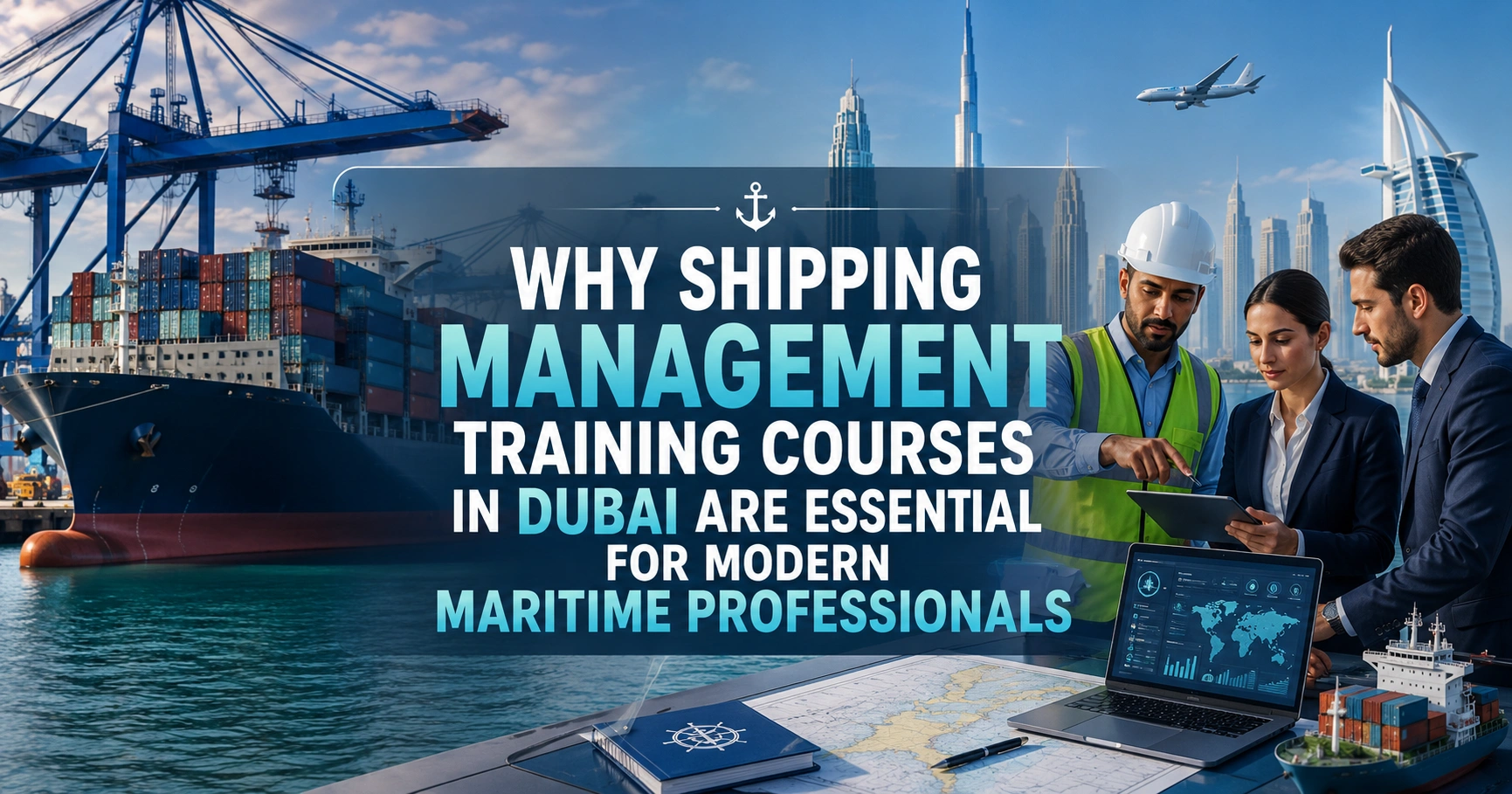
The global shipping industry has become more complex, competitive, and technology-driven than ever before. Companies are under constant pressure to improve efficiency, meet regulatory requirements, control costs, and maintain high operational standards. As a result, professionals across the maritime sector are increasingly turning to Shipping Management training courses in Dubai to strengthen their expertise and stay ahead in a rapidly changing industry.
Dubai has emerged as one of the world’s leading maritime hubs, making it an ideal location for professional development. Whether you’re an aspiring manager, a shipping coordinator, or an experienced maritime professional, the right training can significantly impact your career growth and organizational performance.
Why Shipping Management Training Courses in Dubai Are Gaining Attention
Dubai’s strategic position at the crossroads of international trade has made it a center for shipping, logistics, and maritime business operations. Professionals who train in this environment gain exposure to global best practices and industry standards that are directly relevant to today’s shipping landscape.
More importantly, quality training goes beyond theory. It helps professionals understand how different parts of the shipping industry connect, from vessel operations and port management to logistics planning and regulatory compliance.
Companies increasingly value employees who can see the bigger picture and make informed operational decisions that support business objectives.
Key Benefits of Professional Shipping Management Training
Well-designed training programs help participants develop skills in several critical areas:
- Shipping operations and coordination
- Maritime regulations and compliance
- Risk management and safety procedures
- Supply chain integration
- Leadership and team management
- Commercial shipping practices
- Strategic decision-making
These competencies are essential for professionals who want to move beyond operational roles and take on greater responsibility within their organizations.
Understanding the Importance of Shipping Operations
One of the most overlooked aspects of maritime education is the connection between day-to-day activities and overall business performance.
Strong knowledge of Shipping Operations Management enables professionals to improve efficiency across the entire shipping process. This includes planning vessel movements, coordinating cargo handling, managing documentation, and ensuring compliance with international regulations.
When operations are managed effectively, organizations benefit from reduced delays, lower costs, and improved customer satisfaction. Even small improvements in operational performance can have a significant impact on profitability.
Common Misconceptions About Shipping Management
Many professionals assume shipping management is only about supervising vessel movements or handling logistics documentation.
In reality, successful shipping managers must balance multiple responsibilities, including:
- Financial planning
- Resource allocation
- Regulatory compliance
- Stakeholder communication
- Risk mitigation
- Performance monitoring
Modern shipping management requires both technical knowledge and business understanding. Professionals who develop both skill sets are often better positioned for leadership opportunities.
A Real-World Perspective
Having worked with maritime companies and shipping professionals over the years, we’ve seen firsthand how proper training can transform operational performance.
One situation involved a shipping company struggling with recurring delays and communication breakdowns between departments. The issue was not a lack of effort or experience. The challenge was that managers viewed operations in isolation rather than as part of a larger process.
After completing specialized management training, department leaders developed a clearer understanding of workflow dependencies and operational planning. Within months, coordination improved significantly, and costly delays became far less frequent.
We’ve also encountered professionals who believed years of experience alone would prepare them for management roles. While experience is invaluable, many found themselves facing challenges in budgeting, compliance management, and strategic planning once they moved into leadership positions.
The lesson is simple: experience builds knowledge, but structured education helps professionals apply that knowledge more effectively.
Choosing the Right Training Program
Not all shipping management courses offer the same value. Before enrolling, professionals should evaluate several important factors.
Industry-Relevant Curriculum
Look for programs that reflect current industry practices rather than outdated theories. Maritime regulations and operational standards continue to evolve, making up-to-date content essential.
Practical Learning Approach
The most effective courses include real-world case studies, operational scenarios, and practical applications that mirror workplace challenges.
Experienced Instructors
Learning from professionals with direct industry experience often provides insights that cannot be found in textbooks alone.
Career Development Focus
A strong training program should help participants build both technical and managerial capabilities that support long-term career progression.
Many professionals seeking advanced maritime education also consider institutions such as London Maritime Academy because of their focus on industry-relevant learning and professional development.
Why Continuous Learning Matters in Shipping
The maritime sector is experiencing constant change. Digitalization, sustainability requirements, automation, and evolving regulations are reshaping how shipping companies operate.
Professionals who invest in continuous learning are generally better equipped to adapt to these changes. They can identify opportunities, solve problems more effectively, and contribute greater value to their organizations.
For employers, supporting workforce development often leads to stronger operational performance, improved compliance, and increased competitiveness in global markets.
Conclusion
Success in today’s maritime industry requires more than operational experience alone. It demands a combination of technical expertise, business awareness, leadership capability, and a commitment to continuous improvement.
Investing in Shipping Management training courses in Dubai provides professionals with the knowledge and confidence needed to navigate an increasingly complex industry. As shipping operations continue to evolve, those who prioritize professional development will be best positioned to lead, innovate, and create lasting value for their organizations.
The maritime industry rewards those who stay prepared. The right training is not simply an educational investment. It is an investment in future opportunities, stronger performance, and long-term career success.